


你的初中生活怎么样的英语
My junior high school years were a whirlwind of change, growth, and unforgettable experiences. It was a period of significant transition, moving from the relative simplicity of elementary school to the increased academic rigor and social complexities of middle school. Looking back, I remember a blend of excitement and apprehension as I navigated the unfamiliar hallways, encountered new teachers with their unique teaching styles, and forged friendships that would shape my personality and future. The academic workload was undoubtedly more demanding; suddenly, I was juggling multiple subjects, each with its own specific requirements and expectations. The pressure to perform well, to keep up with my peers, and to navigate the burgeoning social landscape was intense, yet it also spurred me to develop crucial time management skills, learn to prioritize tasks effectively, and discover my own unique learning strategies. This period wasn't just about academics though; it was a time of self-discovery, where I began to understand my strengths and weaknesses, explore my interests, and develop a sense of independence. Extracurricular activities played a vital role in this process, providing opportunities to connect with like-minded individuals, develop new skills, and pursue passions outside the classroom. The friendships forged during these years were incredibly significant, providing support, laughter, and a sense of belonging during a time of rapid change and personal growth. It was a period of both challenges and triumphs, and looking back, I'm filled with a sense of gratitude for the lessons learned, the friendships made, and the person I became as a result of my junior high school experience. It laid the foundation for my high school years and beyond, equipping me with the skills and resilience necessary to tackle future challenges.
 The academic side of junior high was a steep learning curve. The subjects became more specialized, demanding a deeper understanding and more consistent effort. Gone were the days of simple arithmetic; algebra and geometry introduced complex equations and spatial reasoning that required focused attention and practice. Similarly, English classes progressed from simple reading comprehension to analyzing literature, crafting persuasive essays, and mastering grammatical intricacies. Science classes introduced more advanced concepts, requiring me to not only memorize facts but also apply scientific principles to solve problems. This increased academic rigor demanded a shift in my study habits. I learned the importance of effective note-taking, time management, and seeking help when I struggled with specific concepts. Teachers became mentors, providing guidance and support beyond the curriculum. They fostered an environment of inquiry, encouraging us to ask questions, explore different perspectives, and think critically. It wasn't always easy; there were moments of frustration and setbacks, times when I felt overwhelmed by the workload or struggled to grasp certain concepts. However, these challenges ultimately contributed to my personal growth, teaching me perseverance, resilience, and the importance of seeking help when needed. Learning to collaborate with classmates on projects was another essential skill I developed during this time. Group assignments required teamwork, communication, and compromise, teaching me the value of different perspectives and the power of collective effort.
Beyond academics, my junior high years were a crucible of social development. The social dynamics were far more complex than in elementary school. Navigating cliques, friendships, and interpersonal relationships became a significant part of the experience. I learned about different personalities, communication styles, and the importance of empathy and understanding. There were moments of conflict and misunderstanding, but also times of profound connection and camaraderie. Extracurricular activities played a key role in this social development. Participating in sports, clubs, or other activities allowed me to meet people with shared interests, build relationships, and develop a sense of belonging within a larger community. These experiences taught me teamwork, leadership, and the importance of contributing to something larger than myself. I also explored my interests and discovered new passions, gaining valuable experience and developing new skills. The sense of community fostered within these groups became a source of support and encouragement during challenging times. The friendships forged during this period remain some of the most significant in my life, providing a foundation of support and understanding that continues to this day. They taught me the importance of loyalty, trust, and the enduring power of genuine connection.

Finally, my junior high experience fostered a sense of independence. I started taking on more responsibility, managing my time, and making decisions that affected my academic and social life. The journey from childhood to adolescence was a gradual yet significant shift, marked by an increasing sense of self-reliance and agency. This newfound independence instilled in me a sense of confidence and self-reliance that would serve me well in the years to come. Learning to navigate the complexities of junior high prepared me for the even greater challenges and opportunities that awaited me in high school and beyond. The entire experience, though sometimes demanding, ultimately shaped me into the individual I am today.
The Lasting Impact of Junior High: Shaping Future Success
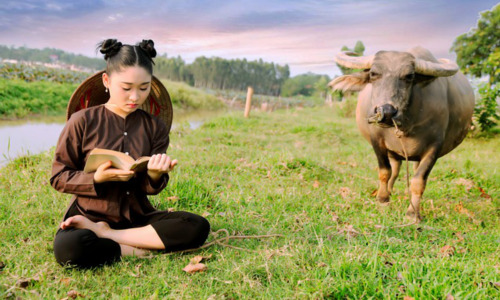 The seemingly insignificant events and experiences of junior high have a profound and lasting impact on future success. This period isn't merely a stepping stone; it's a crucible forging crucial life skills and shaping personality traits essential for navigating the complexities of adulthood. The academic rigor, though challenging at the time, lays the foundation for advanced learning and critical thinking abilities vital for higher education and professional success. The development of time management, organization, and prioritization skills are essential life skills, applicable beyond the classroom, streamlining adult life's myriad demands.
Furthermore, the social dynamics of junior high, while sometimes turbulent, are a powerful learning ground for emotional intelligence. Negotiating friendships, resolving conflicts, and understanding diverse perspectives fosters empathy, communication skills, and the ability to build and maintain healthy relationships – skills highly valued in any professional setting. The experiences of overcoming challenges, adapting to new environments, and collaborating with peers cultivate resilience, adaptability, and teamwork, all crucial assets in the workplace. The extracurricular activities undertaken during this period often introduce individuals to passions and interests they may pursue further, leading to hobbies, professional choices, or a broader sense of self-discovery.
Beyond the tangible skills, junior high plays a vital role in shaping self-esteem and self-confidence. Navigating the academic and social landscapes successfully cultivates a sense of self-efficacy – a belief in one's ability to achieve goals – which is a powerful predictor of future achievement and overall well-being. The challenges overcome during this period build resilience and the ability to bounce back from setbacks, fostering a positive mindset crucial for overcoming future obstacles. The friendships formed are often deep and enduring, providing a strong support network throughout life, highlighting the importance of social connection and belonging.
In conclusion, the junior high experience is far more significant than simply a preparatory phase. It's a formative period that lays the groundwork for future academic, professional, and personal success. The skills and traits developed during these crucial years extend far beyond the classroom, shaping individuals into well-rounded adults capable of navigating the complexities of life with resilience, confidence, and a deep understanding of themselves and the world around them. Understanding this lasting impact allows us to appreciate the importance of nurturing and supporting young adolescents as they navigate this critical stage of development.
评论